Planning for Attractive Homes — Missing Middle Housing
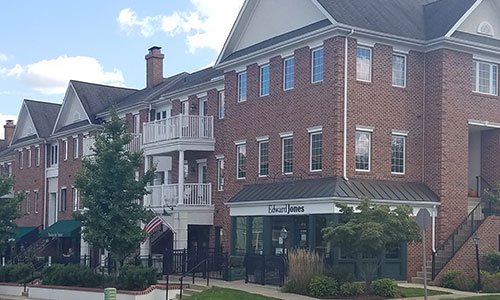
Attractive Homes are designed, constructed, and maintained to be compatible with local community character. This guide explores missing middle housing, a concept of creating multi-unit housing forms at appropriate scales in walkable neighborhoods.

Low Density
Medium Density
What is Missing Middle Housing?
Coined by Daniel Parolek, the term "Missing Middle Housing" describes housing within walkable areas with more than one unit at compatible scales to existing neighborhoods. The word "Missing" is used as the housing types are often prohibited in certain zoning districts. The word "Middle" is used as the housing exists on a spectrum between single-family detached units and high-rise apartment buildings.
Challenges
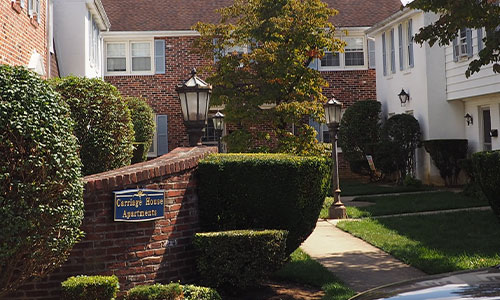
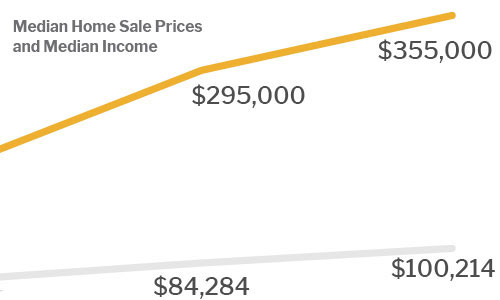
Changing demographics, rising housing costs, zoning restrictions, and resident oppositions have hindered the development of missing middle housing forms.
Opportunities
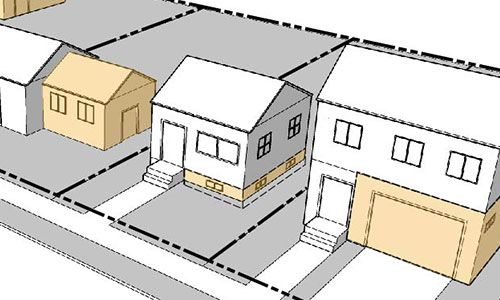
The Chester County Planning Commission identifies twelve missing middle housing types which currently exist and are appropriate to fit the needs in the county.
Get Started
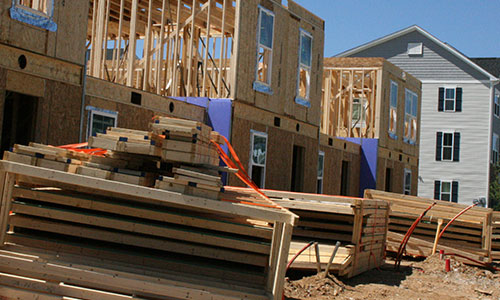
Municipalities can take action to address market demand, zoning restrictions, and resident opposition.
Data
The Chester County Planning Commission documented where missing middle housing is permitted in the county's suburban and urban center landscapes.